
You’ve just finished the gorilla trek, your legs are registering a formal complaint, and someone suggests Lake Kivu for the next leg of the trip. Good instinct. The lake is the best place in Rwanda to genuinely slow down. But the brochure version skips the parts that actually help you plan. This is the part they leave out.
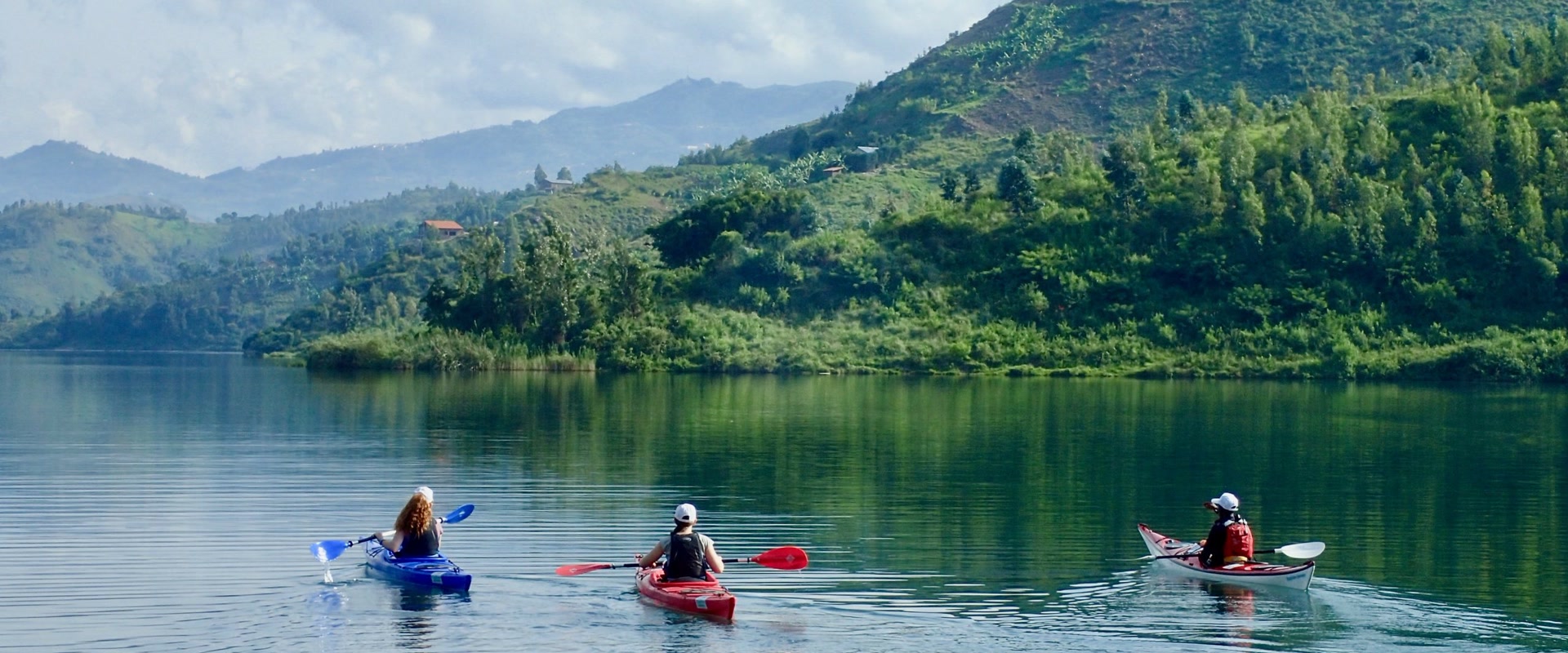
Pick your town before you pick your hotel
Gisenyi, now officially Rubavu, is the resort town. Sand beaches, a lakeside promenade, boat operators competing for your afternoon, and the densest cluster of lodges on the Rwandan shore. If you want a drink by the water and a sunset that photographs itself, this is the one.
Kibuye, now Karongi, is quieter and calmer. The lake is more sheltered here, which matters if you actually want to sleep rather than be seen. Coffee washing stations sit within easy reach of town, and the memorial church on the hill is worth a slow afternoon. The hot springs along the shoreline are real. Locals use them. The water is warm, smells faintly of sulphur, and costs almost nothing to sit in.
Cyangugu, now Rusizi, is the southern end and the least developed for tourism. You would choose it as a staging point between Nyungwe and Kigali, not as a destination in itself. Fewer lodges, thinner infrastructure.
The water
No crocodiles. No hippos. No bilharzia. That combination is genuinely rare in this part of Africa, and it is the reason you can swim here without the usual nagging worry. The surface stays warm year round and the shallows near the main beaches are clear.
Swim off the beaches in Rubavu or Karongi and you will be in the water within two minutes of leaving your room. Bring what you would bring to any lake: sunscreen, a towel, and sandals for the rocky patches.
Boat trips, honestly
A half-day boat trip from Rubavu usually takes in Napoleon’s Island, Monkey Island and Peace Island. Napoleon’s has a short trail, a colony of fruit bats, and a shape that is supposed to resemble the emperor’s hat. Monkey Island has a handful of vervet monkeys and is more fun for children than for adults. Peace Island is exactly what the name suggests: flat, grassy, good for a picnic.
The boats are wooden motor canoes, not speedboats. Legs between islands run twenty to thirty minutes. It is slow, occasionally choppy, and genuinely peaceful if you are in the right frame of mind. There is a full breakdown of the boat trips if you want to compare islands first. Confirm life jackets before you board; ask to see them.
Nyamirundi Island is the coffee destination, further out, and usually done as a combined boat-and-coffee day. The plantation tours there are run through a local farmers’ cooperative, so the money reaches the people growing the crop rather than a middleman in an office. If coffee interests you at all, this is the excursion to book. We wrote a fuller guide to the coffee tours if you want the detail before you commit.
Night fishing
Fishermen work the lake after dark from wooden canoes lit by kerosene lanterns. The pinpricks of light strung across black water are the photograph most visitors take home. Trips run in the evening from Rubavu. It gets cold on the water once the sun drops, so bring a layer you would not normally pack for Rwanda.
Food
Fresh tilapia from the lake, grilled whole and served with plantains, is the dish to order. The small ones, fried and eaten whole, are called sambaza, and they turn up as a bar snack anywhere near the water. Brochettes and the usual Rwandan staples are on every menu. Lakeside restaurants charge more than the places a street back from the promenade; the view is what you are paying for.
Coffee is the other thing worth your attention here. This is one of Rwanda’s main growing regions, and a cup brewed from beans processed a few kilometres away tastes different from what you get at home. Take the tour if you have the time.
The thing the brochures skip
You can see the Democratic Republic of Congo from the Rwandan shore. On the far side sits Goma, and the situation across the water has been unstable. Through early 2025 the M23 movement took control of Goma and pushed onto Idjwi Island, the large island in the middle of Lake Kivu. None of that has spilled onto the Rwandan side, where tourism has kept running normally, but the conflict is close enough to matter. If things flare up, operators occasionally pause boat excursions for a few days. It has happened before. Check your government’s travel advisory the week before you fly, and trust your lodge to tell you if anything has shifted.
The practical bits
From Kigali, the drive to Rubavu takes most of a half day on a good paved highway. A private transfer arranged through an operator costs about what a comfortable intercity ride would, minus the negotiating. Give the lake three or four nights if you want it to feel like a real stop rather than a photo op on the way somewhere else. The natural pairing is Nyungwe Forest, which sits south of the lake, so you can do forest then water or water then forest depending on how you want to finish.
Most people come to Rwanda for the gorillas and leave talking about the lake. That is not an accident. If the lake is the wind-down after a trek, see our five day gorilla itinerary or the single day trek. Tell us your dates on the contact page and we will build the lake in.